• Building Laneway Suites in Toronto: What Homeowners Need to Know

    Are laneway suites in Toronto a solution to the housing affordability crisis? From the length of time it takes to save a down payment, to the housing supply shortage driving up prices, many prospective homebuyers are being priced out of North America’s fourth-largest city.

    In recent years many public policymakers, industry professionals, and community activists have proposed a series of measures to address housing affordability in this major urban center.

    Real estate experts contend that the best answer to Toronto’s housing woes is to create more supply, by removing exclusionary zoning bylaws and supporting the construction of new homes. One concept that has garnered support from city hall is the development of laneway suites.

    So, what are these residential units anyway, and can they help alleviate the sky-high housing market? Let’s explore!

    Building Laneway Suites in Toronto: What Homeowners Need to Know

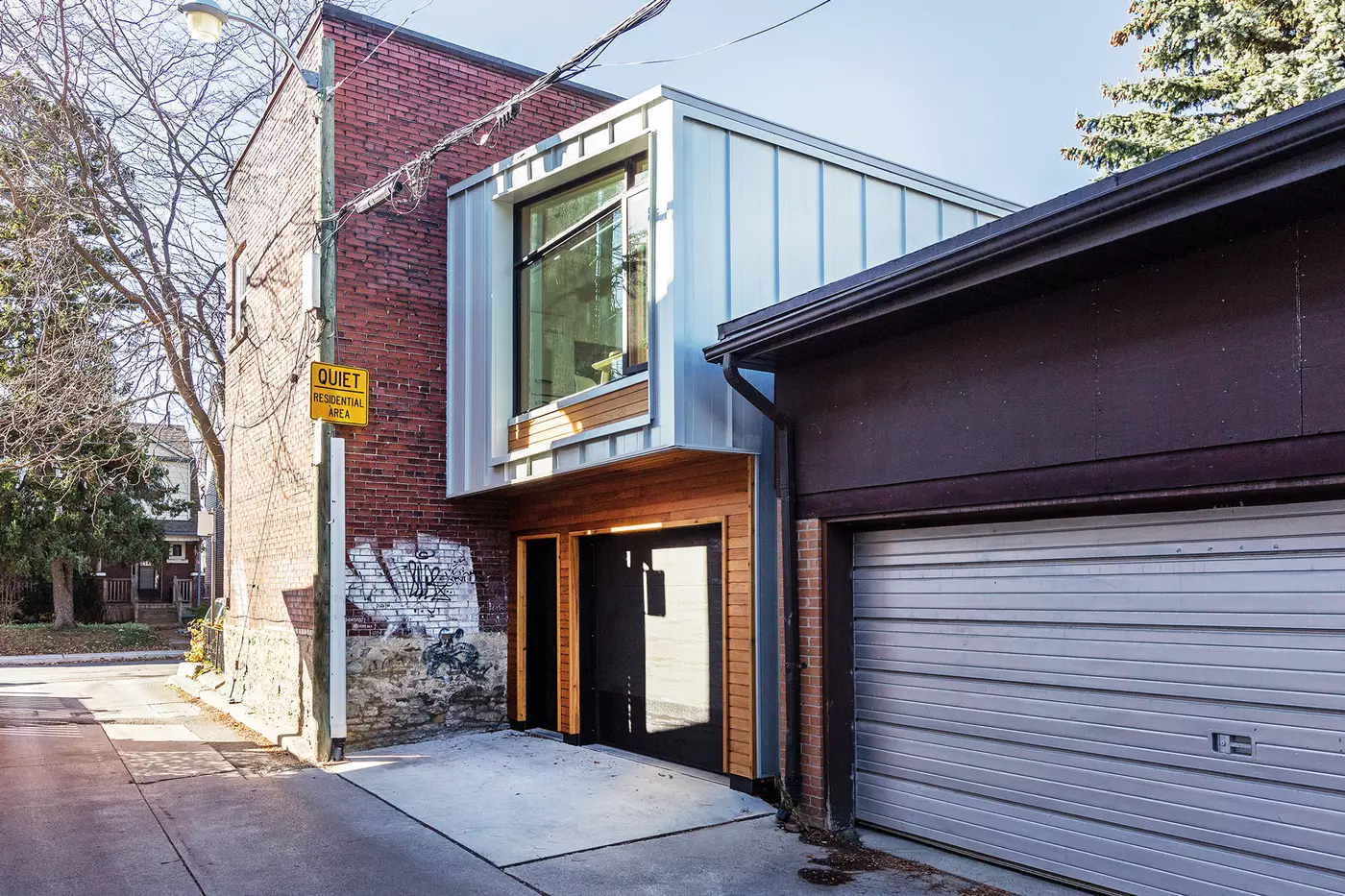
    A laneway suite is a type of property that is a detached secondary unit, typically located in the backyard or back alley of densely populated cities.

    While some will describe it as a newly designed mid-block property big enough for a couple of bedrooms and space for a family, others view it as a small, detached apartment above a garage that belongs to the primary house.

    The laneway suite shares the main home’s water, sewer, gas, electric, and waste collection services. Also known as “infill houses” or “garden suites,” these units can never be standalone, commonly likened to a basement apartment. The difference, of course, is that you enjoy more light, windows, fresh air, and the myriad of benefits that a typical above-grade apartment offers.

    Experts argue that laneway suites tackle under-utilized spaces, make communities more sustainable, and create equity for the population. Moreover, there are other perceived advantages, such as respect for the character of a neighbourhood, addressing multi-generational living needs, and slowing the pace of development. Others also see it as a rental income opportunity, allowing the homeowner to generate revenue or support retirement plans.

    Toronto officials got on board with the idea, launching the Laneway Suites Initiative in June 2018. This program incentivizes homeowners to produce secondary laneway suites.

    This is one of the ways we can get more housing options built and part of the City’s Expanding Housing Options in Neighbourhoods plan. We want to help people grow more housing options in neighbourhoods across Toronto,” said Mayor John Tory in a statement.

    Are you interested? Here is what you need to know before you take advantage of the program:

    • You can receive up to $50,000 in the form of a forgivable loan.
    • You must own a single-family home on a public lane.
    • You must conform with applicable zoning and other by-laws.
    • You must apply for building permits.
    • You must join the Affordable Laneway Suites Contribution Agreement.
    • You must receive approval for Development Charges Deferral Program for Ancillary Secondary Dwelling Units.

    In addition, rent cannot exceed Toronto’s average market rent, and work must begin within 120 days of receiving the confirmation letter. The maximum household income limit is $63,400 for one person and $96,000 for two or more people.

    Are Laneway Suites the Answer to Housing Affordability?

    Toronto has been home to laneway suites for a century, and it appears that Canada’s most populous city is leading the push in North America. However, other jurisdictions, such as Vancouver and the state of California, are incorporating laneway suites into their public policymaking efforts.

    In the world of planning and urbanism, these homes are generally known as granny flats or accessory dwelling units (ADU). American municipalities have been embracing them for a decade now. California effectively legalized ADUs at the state level in 2017. In Los Angeles, many are being built, and the city government pre-approved a set of standard plans for such dwellings by talented young architects,” The Globe and Mail reported in January 2022.

    The average price of a detached home in Toronto is well north of $1 million, while condominium suites are approaching seven figures. The metropolis is begging for more supply to come online. Construction cranes dot the skyline and residential neighbourhoods, but many agree that more needs to be done. Whether laneway suites will enhance housing affordability in Toronto or not remains to be seen. Still, real estate is at the top of mind for public officials, the housing industry, and consumers – buyers and sellers.

    Sources:


    Courtesy of REMAX.ca

    Renovations That Pay Off on the Resale Market

    If you’re a home-buyer, owner or seller, you’re probably wondering how to maximize your investment. The answer depends on a number of factors, such as market conditions, your current circumstances and long-term goals, but there are some home renovations that pay off on the resale market, whether you’re looking to stay in the home or sell it.

    Renovations on the Rise in a Hot Housing Market

    In a seller’s market, there are more buyers than homes for sale, so technically you don’t need to renovate to turn that For Sale sign to Sold. However, the right renovations can help sellers secure a homebuyer faster, and potentially for a higher price. On the buying side, renovating a fixer-upper may allow buyers to get into their neighbourhood of choice at a lower price. Meanwhile, for homeowners who aren’t quite sold on moving or who find themselves challenged given limited inventory of listings, renovations have become a way to get a bigger, better home without having to tackle this competitive market.

    According to a 2021 RE/MAX Canada report, more than half of Canadians renovated their home for personal enjoyment. According to a survey, three in 10 Canadians renovated to enhance their lifestyle, such as recreation and entertainment projects, while another three in 10 renovated to maintain their home. Last but certainly not least, 16 per cent of Canadians said they renovated to increase the market value of their home in order to sell within in the next one to three years.

    Regardless of their reasons for renovating, 59 per cent of Canadians said they always consider the return on investment that a renovation will have on their home’s market value. So, home renovations pay off on resale? We surveyed RE/MAX brokers across Canada about the top renovations that give home sellers the biggest payouts.

    9 Home Renovations That Pay Off on the Resale Market

    #1 Kitchen – 93.5% of RE/MAX brokers said kitchen renovations give the best ROI, including new or updated cabinets, countertops and appliances. This can be attributed to the scale, cost and the general inconvenience (albeit a temporary one) of a kitchen renovation. Yes, renovating the kitchen yourself once you take possession of the home will be cheaper, however many homebuyers simply don’t want to put themselves through it – especially if they just completed a kitchen renovation on the home they are selling. The “move-in ready” factor is significant.

    #2 Bathroom – 61.3% of RE/MAX brokers identified bathroom renovations as a great high-return renovation. By the same logic as the kitchen renovation, homebuyers who want move-in ready homes with all the bells and whistles generally don’t want to take on expensive, time-consuming and inconvenient renovations, such as bathroom.

    #3 Paint – 58% of RE/MAX brokers said a fresh coat of paint is the simplest and cheapest investment, and it pays off on the resale market. Aside from giving the home an instant refresh, home stagers also recommend light and neutral paint colours to make a home appear bigger, brighter and cleaner.

    #4 Flooring – 45.2% of RE/MAX brokers said new flooring is a popular upgrade among homebuyers. Homebuyers largely prefer hardwood or tile over wall-to-wall carpets, which tend to trap stains and odours, and can really show a home’s age. This is a must, and if the seller is lucky, tearing up that old carpet could even reveal a hardwood floor underneath that just needs some TLC to bring it to its former glory.

    #5 Finished basement – 16.1% of RE/MAX brokers said finished basements are a great selling feature on the resale market. In fact, any renovations that add liveable square footage to a home are always in demand. A lower-level family room, home office, an extra bedroom or bathroom in the basement can all give your listing a significant boost at the offer table.

    #6 Outdoors/landscaping – 12.9% of RE/MAX brokers said outdoor projects can provide good ROI. As a result of the pandemic, people have been spending more time at home and thus, large yards, pools and hot tubs, decks and patios, and landscaping are all appealing on the resale market. Depending on the scope of the project, this could be one of those low-investment, high-return upgrades that pay off on resale.

    #7 Roof – 12.9% of RE/MAX brokers said roofing was a good option to invest some renovation dollars before listing a home for sale. New roof tied in sixth place with outdoor projects and landscaping.

    #8 Open-concept floor plan – 9.7% of RE/MAX brokers said redesigning a home with an open-concept floor plan can pay off. This isn’t a small or inexpensive project by any means, but removing wasteful walls and halls can instantly modernize an older home and make it live larger than its actual square footage would otherwise allow.

    #9 Windows – 6.5% of RE/MAX brokers said new windows net higher offers on the resale market. While this isn’t exactly the sexiest of renovations, astute buyers will appreciate the tens of thousands of dollars that new windows will cost, so having these replaced before listing can benefit both buyer and seller. Furthermore, new windows can give your home an understated refresh, inside and out.

    Need Some Home Renovation Inspiration?

    Watch this video to see how you can update and upgrade your home before listing it for sale.

    Play


    The financial returns that sellers may reap on resale depend on a number of factors, including buyer demand and market conditions. If you’re planning to sell your home, thoughtful, targeted renovations can help you maximize your investment. A professional real estate agent can give you an advantage, by zeroing in on market demand before you dig into your renovation. Contact us, we’d love to help!


    Courtesy of REMAX.ca

    5 Areas to Focus on When Home Staging

    When selling your home, first impressions are everything. Give your home an advantage by taking the time to spruce it up before you list – and whatever you do, don’t forget about these 5 areas when home staging.

    Don’t Neglect the Basement

    A basement chock full of your disorganized piles of junk is a major turnoff to potential buyers. Even if the basement is unfinished, it should be clean, as bright as possible and dry. A quick coat of paint on a concrete floor can make the world of difference, as can neatly organized boxes.

    If you can’t be bothered to organize your junk, at least get it out of the house! An empty finished basement is one million times better than a cluttered one (even if it does demonstrate how much junk can fit in it!). Rent a storage locker for the weekend and clear it out.

    Rearrange the Living Room

    If you’ve got all your furniture pushed up against the walls to make the most of the space, it’s not doing much to help sell your home. Instead, try arranging the furniture in your living room in a fashion that encourages conversations rather than just as a place to store the kids’ toys or watch television. If you have a fireplace or a big window, make that the focal point and place the couch, a coffee table and a pair of chairs in an intimate setting. Add a few decorative pillows and drape a textured blanket to add some colour and warmth and keep the coffee and end tables free of clutter. Place a floor lamp or table lamp in your new living area space to brighten up the entire area and make the space more inviting.

    If you’re willing to invest a little extra in staging your home, window treatments can make a world of difference in a living room. But don’t buy anything you’ll be sad to part with!

    Declutter the Kitchen

    It goes without saying that a kitchen can sell a home, but a messy, cluttered kitchen can also make your home much harder to sell. Emphasize the size of your kitchen by clearing the counters of any small appliances and personal items such as mail and phone chargers. This will make even the smallest countertops and prep areas seem that much bigger.

    Do, however, include colourful items that inspire healthy living, like a curated collection of interesting cookbooks, or a big bowl of lemons and limes. Help people envision their new lives in your home.

    Create a Dining Area

    You may only use it once a year, but formal dining rooms should never be neglected. This space can be a great area to focus on when selling your home. Start fresh by removing everything from the room except for the essential pieces of furniture like the dining table and chairs. Consider setting the table with your best china, complete with flatware, napkins, glasses and a centerpiece of fresh flowers or a bowl of vibrant fruit.

    Even without a proper dining room, setting a kitchen counter or small bistro set in the corner of your kitchen will give your home a polished finish that denotes a caring homeowner. As much as potential buyers judge the home, they’re also judging the previous owners, and how they cared for it.

    Scrub the Bathroom

    Sleek and modern bathrooms can help sell a home, but even a dated bathroom can show its best face with a little elbow grease. Get a big box and remove everything from the counters, shower and bathtub before scrubbing the bathroom from top to bottom. Only put back a few essential items like hand soap and some fluffy towels. To help brighten the whole space, consider getting a new, high-quality shower curtain to pull the look together.

    Don’t overlook your medicine cupboard and under-the-sink storage. Buyers are nosey, and will examine every inch of your home. Organizing your storage will help to show off your bathroom’s potential, even if it’s on the smaller side.

    Home staging is an essential step to selling your home fast and for top dollar. If you have questions about staging and selling your home, contact us today. We’d love to help!


    Courtesy of REMAX.ca

    Top Tips for Making Your Home Renovation Pet-Friendly

    A home renovation can be pretty exciting, especially if you’re finally in a position to make long-awaited changes.

    If you have pets, a home renovation is an excellent opportunity to make life easier for both you and them, with a few extra additions. Taking your pets’ habits, age and patterns into account as you plan for renovations could make all the difference in creating a safer, healthier and happier environment for your four-legged family members!

    Don’t go anywhere – in this article we’ll be listing some of our top tips for making your home renovation more pet-friendly.

    Making Your Home Renovation Pet-Friendly

    Opt for an Optimized Mudroom

    When Fido is frolicking through a wet or muddy backyard, he’s inevitably going to track it all through the house if there’s no efficient way to clean him off before coming back in.

    Many homes have a mudroom, which could be a good option in and of itself if you don’t already have one; however, consider an optimized mudroom for those times when your pet is…well, a bit of a mess! A few beneficial add-ons to any mudroom are a dog shower, tub or wide sink to rinse off smaller dogs.

    A dog shower is typically built as a step-in shower with a half-wall surrounding it, allowing humans to spray their pets from overhead. This option will be especially convenient in the colder months, when rinsing your dog outside would be uncomfortable and unpleasant for you both!

    Doggie Flaps are Your Friend

    This tip is all about convenience for both you and your pet: consider installing a doggie flap leading into your mudroom, laundry room or garage. This will allow your trained pet to come and go as they please and could work equally well for an indoor-outdoor cat.

    It’s a good idea to install a flap on a door that doesn’t lead to your foyer or other prominent areas of your home. If your pet happens to track mud or dirt into the house, it’s best if the flap leads to a room where your pet won’t have as much potential to ruin or soil surroundings.

    It’s also recommended that your flap have locking capabilities for the times that you don’t want your pet venturing outside. Similarly, a lockable flap will keep your home more secure and protected from burglaries, especially if you are away on vacation.

    Consider a Cat Patio or “Catio”

    A cat patio, or “catio,” is an excellent way to ensure that your fluffy friend gets more sunlight, stimulation, and exposure to the outdoors. Essentially, we’re referring to an enclosed space that is gated or fenced in that still allows cats to climb, sleep, and interact with the outdoors. It might look very similar to an enclosed deck or porch, with beds or toys for your cat to enjoy.

    This renovation to your home may be installed looking toward your backyard or around the side of your house. There should also be a way for you to access the inside of your catio in the event of an emergency.

    One cautionary note about catios: avoid leaving cat food inside them, which will attract pests and other animals. If you do choose to feed your cat in this enclosure, provide only small amounts of food that your cat will eat in one sitting.

    Heated Floors for Aging Pets

    Though this feature may sound pricey, heated floors are relatively inexpensive and provide perks for pets of all ages (as well as for your heating bill).

    Heated floors make for a soothing and comforting environment for senior pets, as the warmth will keep their limbs relaxed – especially for those with joint issues or arthritis. Cats may particularly love heated floors since felines tend to be heat-seekers. Fun fact: cats’ earliest ancestors originated from the desert, which explains why they love sleeping in the sun!

    Since heat rises, your heated floors will also provide a bit of extra warmth to any room in your house. This could make turning the thermostat down a few notches more comfortable during the colder months, potentially lowering home heating costs.

    Install Pet Ramps

    The addition of pet ramps to your home may make things easier for your pets as they age. Pet ramps can be installed anywhere your dog or cat would typically jump or climb if they were spry, such as alongside stairs or even alongside the couch.

    Ramps may not be feasible or make sense in all areas of your home. However, installing them as alternatives to significant hurdles (such as the stairs) can make for a safer, more comfortable environment for your pet.

    Final Word

    These are just a few tips worth consideration if you’d like to incorporate pet-friendly options into your home renovation plans. Enlisting a professional for help as you implement these changes is recommended. A professional can ensure that you don’t run into costly or unnecessary obstacles, such as improper installation or installation, that might interfere with other aspects of your home.


    Courtesy of REMAX.ca

    Do Staged Homes Sell Faster?

    Do staged homes sell faster, and for a higher price? The short answer is yes and yes. Even in a hot seller’s market, smart sellers seek out ways to give themselves an advantage. This includes engaging an experienced, professional real estate agent, evaluating market demand and comparables, setting the right price, and then staging the property to appeal to the biggest pool of buyers.

    Do staged homes sell faster?

    According to a study by the Real Estate Staging Association, staged homes spend 73 per cent less time on the market than their un-staged counterparts. Truthfully speaking, even an un-staged property can sell under the right market conditions. A seller’s market, characterized by high demand and low inventory, generally means buyers are likely to scoop up what they can get. In a buyer’s market, there are more homes for sale than there are buyers, which means competition is greater among sellers and buyers have the upper hand. Under these circumstances, staging your property could tip the scales in your favour.

    Do staged homes fetch a higher price?

    The same Real Estate Staging Association study revealed that 85 per cent of homes analyzed sold for five per cent to 25 per cent above listing price. The answer to this question isn’t always black and white, as the final selling price can depend on a number of factors, including buyer demand, competition and the condition of the property. With all else being equal, a staged home is more likely to leave buyers with a better impression than one that hasn’t been staged, with the potential to fetch higher offers.

    What is home staging?

    Home staging is the process of preparing a home for sale by increasing its appeal to a wide range of homebuyers. Home staging isn’t as involved as a renovation, and can involve decluttering, depersonalizing and deep-cleaning; painting the walls in a fresh, neutral hue; updating hardware and lighting; rearranging existing furniture or renting some new pieces to help show the home in the best possible light. When a buyer can see your home as their home, they are more likely to make a competitive offer.

    Since the majority of homebuyers start their home hunt online, it’s critical to make a good impression through your digital listing photos. Buyers will weed out the homes that don’t meet their criteria, and proceed to an in-person tour of the homes that they are seriously considering.

    Decluttering and depersonalizing the home of family photos and other personal items can help. Also consider that potential buyers need to think beyond what their eyes are showing them. Staging helps them to visualize themselves living in and using the space. Is the home an ideal place for a growing family, as a live-work space, for recreational pursuits or to enjoy retirement?

    Virtual Home Staging

    A new twist on home staging is “virtual” staging, which leverages technology to digitally enhance photos in order to demonstrate the possibilities. Virtual staging is ideal for vacant properties, which pose added challenges for sellers and the buyers who are trying to imagine it as their new home. Virtual home staging eliminates the need, effort, and cost associated with renting or buying furniture and accessories.

    Staging a home doesn’t have to be complicated. Evaluate every room and be critical, because prospective buyers will be. Viewing your own home objectively can be difficult, especially for those who have lived in their home for a long time. A professional home stager and your real estate agent can give you an honest opinion as to what works in your home, what doesn’t, and what the seller might consider changing in order to appeal to homebuyers.

    If you’re thinking of selling, contact us! We can help identify market demands, navigate conditions and turn that For Sale sign to Sold.


    Courtesy of REMAX.ca

    The First-Time Homebuyer’s Guide to Securing a Mortgage

    Is the Canadian real estate market a mountain to climb? For a lot of young professionals who are first-time homebuyers, getting into the housing market can be a challenge, whether it’s saving up enough money for a down payment, finding the right home or securing a mortgage in order to buy it.

    From tighter mortgage lending standards to higher interest rates, there is a lot to learn for the current crop of first-time homebuyers, and we’re here to help with this simplified guide to securing a mortgage for the first time.

    The First-Time Homebuyer’s Guide to Securing a Mortgage

    If you’re a first-time homebuyer, where do you even begin when applying for a mortgage? Let’s start with the basics.

    Ensure You Have A Sufficient Down Payment

    One of the biggest hurdles to buying a home is saving a sizable down payment. Since home valuations have surged considerably in recent years, it has become harder to gather enough upfront cash, especially in pricey markets such as Toronto, Vancouver or Montreal.

    That being said, this is a critical part of the home-buying process. Unsure of the dollars and cents? Here is what you need to know ,based on your home-buying budget:

    • Less than $500,000: A five-per-cent of the purchase price in the minimum down payment
    • $500,000 to $999,999: Five per cent of the first $500,000 and 10 per cent of the purchase price above $500,000
    • Over $1 million: 20 per cent of the total purchase price

    Moreover, if your down payment is less than 20 per cent, you will be required to purchase mortgage loan insurance, which can be paid up-front or added to your monthly mortgage payment.

    What’s In Your Credit Report?

    Have you checked your credit report lately? If not, perhaps it is time to take a look, even if you are not in the market to buy a residential property quite yet.

    Take some time to check your credit score and if needed, improve it. Your credit score ranks your financial health on a scale between 300 and 900, and indicates the level of risk you pose to the lender. The higher your score, the lower the risk and the higher the chance you’ll secure a better mortagage rate or terms.

    Unfortunately, your credit score could become a victim of identity theft or fraudulent behavior among unscrupulous individuals. For example, somebody might take out a loan in your name. Or as another instance, your first and last name could be used for a new credit card.

    Whatever the case, your credit rating could take a hit if you are not being vigilant and proactive.

    Budget What You Can Afford

    In today’s sizzling real estate market, many prospective homebuyers may feel defeated by rising valuations, tempted to abandon their budgets and purchase whatever is available, even if it is beyond what they can afford. But is this fiscally responsible? Could you afford an emergency, if something came up?

    Prioritize your finances, be it for your retirement or your child’s post-secondary education. Budgets are a necessary tool to accomplish long-term prosperity.

    Work with a professional real estate agent who can point you to housing types and locations that are aligned to your budget. And if you still can’t afford it, you may choose to wait until you’re in a better financial position.

    Speak with a Financial Advisor First

    Before you go house hunting and apply for a mortgage, it would be prudent to book an appointment with a financial advisor or speak with a mortgage broker. By doing so, you can receive professional advice from someone who can help you determine if you’re eligible for a mortgage. This will save you the stress and headache of a barrage of mortgage applications.

    Eliminate Outstanding Debt

    It is estimated that the total household debt of Canadians is in excess of $2.5 trillion, with mortgage debt representing more than 68 per cent of this total figure.

    In the face of high – and rising – home prices, first-time homebuyers’ mortgage debt could be considerable. As a result, it is crucial to first minimize or eliminate outstanding non-mortgage debt, from credit cards to car and student loans.

    By decreasing your debts, you can then concentrate on either saving a bigger down payment or contributing more to your monthly mortgage costs.

    Shop Around

    Big banks and online financial institutions offer some of the lowest interest rates in decades, allowing many people to enjoy lower monthly payments. At the same time, there are other benefits, terms and conditions that some might not offer.

    Therefore, it is imperative to shop around, do some research. It is comparable to grocery shopping or buying a new washer and dryer – a smart shopper will compare prices before committing to a purchase. This applied to your mortgage contract, too.

    Get Pre-Approved

    Finally, it is vital to get pre-approved for a mortgage before you start shopping for a home.

    This will give you confidence of having a mortgage ready to go once you begin browsing for a detached, semi-detached, townhouse, condominium, or whatever housing type you’re looking for. You’ll have a good idea of how much you can spend, what is out of your price range, and what will be suitable for your household budget.

    Always Work with a Trusted Real Estate Agent

    The importance of partnering with a real estate agent has never been more evident. Rose Kutzko & The Property Team are here to guide you through the home-buying and -selling process, while adhering to public health guidelines and finding residential properties right for your and your family, giving you an advantage in this highly competitive market.

    We are ready and available to answer all of your questions!


    Courtesy of REMAX.ca

    5 New Year’s Resolutions to Sell Your Home

    Are you planning to sell your home in the near future? Regardless of season or market conditions, remember that you only have one chance to make a good first impression. Make it memorable for all the right reasons. Before listing your home, commit to these five New Year’s Resolutions to help ensure the quickest sale for the highest price.

    Mark Your Calendar!

    Set your listing date well in advance to help you anticipate, plan and prepare to sell your home. The process of changing homes has a lot of moving parts and is a coordinated effort between you and your team of experts. Think real estate agent, lender, lawyer, home inspector, trades, movers… the list continues. This is especially the case if you’ll also be buying a new home at the same time, as many people do. Reach out to a selling agent (us) early on in the process to discuss your options, get important advice and get the ball rolling. We are here to guide you through the entire process!

    Repair and Replace

    When planning to sell your home, assess its condition and make repairs before listing. Cracked drywall, stained carpets, burned-out light bulbs and other minor damage is easy to fix and won’t break the bank, but left un-repaired, could impact offers. TIP: It can be tough to evaluate your own home. Have your agent or a friend tour your home and offer constructive criticism. Find out which renovations offer the best return on investment here.

    Get Comparables

    Three to six months before your home hits the market, wave your agent start scanning comparable listings to get a ballpark price estimate. Keep in mind that a variety of factors may affect your home’s selling price, like lot size; landscaping and interior finishes; proximity to busy streets, public transit, schools and parks; or supply and demand in the marketplace. Your agent will assess your home just prior to listing, to ensure you set the right price to attract serious buyers.

    Cut the Clutter

    A cluttered home can suggest lack of space, which can impact offers. Depending on lifestyle and length of time spent in the home, this can be a big undertaking. Take it step by step, room by room, and you’ll get through it. Be honest about what you want, need and love, and what you can do without. The bonus? You won’t have to pack, move and clutter your new home with stuff you don’t want.

    Stage to Sell

    When it’s time to sell your home, stage it to show it in the best possible light. This includes packing up family photos and anything personal (prospective buyers want to picture themselves in the home, not you!), putting the non-essential items into storage (or the donation bin!) and perhaps renting some furnishings that take your home to the next level. Your agent may offer staging as part of their suite of services, or will be able to put you in touch with a professional stager to help get the job done.

    Hiring the right real estate agent is key to a successful sale. Rose Kutzko & The Property Team are ready and available to answer all of your questions!


    Courtesy of REMAX.ca

    Have Home Goals? 5 New Year’s Resolutions for Homebuyers

    If home buying is on your to-do list in the future, there are some tasks to tackle before you start shopping. Admittedly, many of these New Year’s Resolutions relate to finances (as they often do) and rightly so. A home is the biggest investment most of us will make in our lifetime. To help you prepare, here are five New Year’s Resolutions for homebuyers that you’ll definitely want to keep this year.

    START SAVING FOR YOUR DOWNPAYMENT

    This is arguably the biggest, most difficult and most time-consuming part of the home buying process. Think about it – in November 2021, the average home price in Canada rose to $720,850. To avoid taking out a high-ratio mortgage, you’ll need at least 20 per cent as a down payment, or about $145,000. It’s important to start thinking about how you will come up with the money – whether it’s using your RRSPs through the first-time Home Buyers’ Plan, savings, or financial help from the Bank of Mom and Dad.

    CHECK YOUR CREDIT RATING

    This one’s important, because your potential mortgage lender will be doing the same. A credit score is a number between 300 and 900 that rates your credit-worthiness. According to credit-rating company Equifax, a score of 690 or higher is considered “good.” Lenders will use this score in tandem with other factors, such as your debt-to-income ratio, to determine mortgage eligibility.

    CREDIT CLEAN-UP

    Remember that phone bill you forgot to pay a couple of years ago? It can come back to haunt you. Even a one-day-late payment is still considered “late,” and can negatively affect your credit rating – and your potential to qualify for a favourable mortgage. If you’re not happy with your credit score, take some time to bring it up to par before you start the pre-qualification process.

    GET PRE-APPROVED FOR A MORTGAGE

    With interest rates rumoured to rise in 2022, take advantage of this low interest-rate environment while you still can. Getting pre-approved for a mortgage will lock in your rate for up to 120 days. A mortgage pre-approval is not an obligation to purchase in this time frame, nor are you committed to that particular lender. It’s just a written confirmation of the approved amount and the promised rate, so you can shop with confidence within a budget you know you can afford.

    START SHOPPING

    Online is a good place to start your search, but nothing beats first-hand experience. With budget in mind, bundle up and hit the streets to explore different neighbourhoods and the amenities you’ll have access to. Do you rely on public transit? Is an active night life important to you? Daycares and schools? Parks and rec? Highway access? How close (or far!) do you want to be from family and your work place? Think about your day-to-day needs, and anticipate how they might change over time.

    Last but not least… work with the right real estate agent who has experience in the area and the type of home you plan to purchase. They will make setting up viewings easy, and be ready and on your side to negotiate the best price when it comes time to finally make an offer.

    Planning to sell your home? Read 5 New Year’s Resolutions for the Home Seller.


    Courtesy of REMAX.ca

    Canadian Housing Market Trends to Watch in 2022

    The Canadian housing market has been a fixture in media headlines and an ever-present topic of conversation around dinner tables and water coolers by those who continue to work in an office setting in the wake of COVID-19. Early on in the pandemic, some expected a steep decline in home sales and prices in Canada, but nobody could have predicted what actually materialized in the market. Come May 2020, regional real estate markets began their rebound. The spike in demand continued through 2021, resulting in record-breaking price growth and what many would consider to be the hottest year in Canadian real estate. So, what can we expect in 2022? Here are five trends to keep your eye on.

    Interest rates are expected to rise.

    Rumour has it that interest rates will start rising as early as April. This will be the first movement by the Bank of Canada, following a trio of rate cuts in March 2020, prompted by the pandemic and the ensuing economic impacts. The economy started to bounce back with vaccines making their way into arms, businesses reopening and consumer confidence returning. We’re not out of the woods yet, as the Omicron variant prompts further public health measures and threatens lockdowns in some provinces, pumping the brakes on certain industries. Real estate is not one of them. The Canadian housing market resumed its upward trajectory after a steep but short-lived decline in activity at the start of the pandemic, seemingly with no end in sight. High demand resulted in record-breaking price growth, with sales held back only by a lack of supply.

    With interest rates expected to start rising in time for the busy spring real estate market, some buyers may be looking to lock in a rock-bottom rate now, since they aren’t likely to get any breaks on prices. Will higher interest rates serve to cool the hot Canadian housing market? The Big 6 banks have predicted the Bank of Canada will raise its overnight rate by one per cent by the end of 2022. Only time will tell what impact this will have on the market, but given current levels of supply and demand, a one-per-cent hike is unlikely to be a significant factor on sales or prices.

    Canadian real estate prices will likely continue rising.

    Speaking of prices, the 2022 Canadian Housing Market Outlook Report analyzed 38 Canadian housing markets, identifying rising prices in 100% of them in 2021 and further growth expected across the board in 2022. RE/MAX brokers and agents anticipated price growth ranging from a low of +2.5 per cent in Calgary, to a high of +20 per cent in Muskoka. From a national perspective, the average residential price expected to increase by 9.2 per cent.

    Low supply will remain a concern across the Canadian housing market.

    Housing affordability has been on a steady decline in Canada, and was a key focus for all political parties in the 2021 federal election. Ontario has become ground zero for unaffordability, so it’s expected that this will also be a hot topic in the provincial election slated for June 2, 2022. What’s the culprit behind rising prices? Low supply.

    Industry experts have attributed the rapidly rising price of homes to the housing supply shortage, which was amplified by a notable spike in demand in 2020 and 2021. This is expected to continue, with 1.2 million people expected to immigrate to Canada by 2023 and all of them presumingly in need of a home. With no major increase in listings or new construction expected, industry experts suggest market pressures could mount, putting ever greater pressure on prices.

    While opinions vary on how to effectively add supply to the market, RE/MAX executives have pointed to a few possible solutions, including:

    • A National Housing Strategy to boost supply, in a coordinated effort between the federal, provincial and municipal governments.
    • Incentivizing developers to build more affordable, family-sized homes close to transit hubs, such as tax rebates, cutting the prohibitive red tape and easing the building application and approval process.
    • Incentivizing homeowners to move and easing the financial burden associated with selling a home by offering tax rebates and re-evaluating Toronto’s double Land Transfer Tax (currently, homebuyers here pay a provincial and municipal LTT). This could help increase the supply of listings.

    The federal and provincial governments are also encouraged to collaborate on ways to improve local economies to help attract residents. Canada has lots of “affordable” cities which don’t always have the same appeal as large urban centres do. Shifting the focus from cities like Toronto and Vancouver could help ease the pressure and prohibitive price growth.

    Canadian real estate will be dominated by seller’s markets.

    By the end of 2021, 97 per cent of Canadian housing markets analyzed by RE/MAX Canada (37 out of 38) were expected to be seller’s markets in 2022, characterized by low supply, high demand and rising prices. This is likely to continue in 2022, given that adding supply to the market isn’t a quick fix.

    Virtual transactions are the way of the future.

    Virtual home-buying and -selling wasn’t just a temporary trend that carried us through the pandemic lockdowns. Quite simply, consumers have had a taste of this sweet convenience and they’re unlikely to give it up when COVID-19 is behind us. From websites like REMAX.ca and Realtor.ca bringing listings right to your fingertips, and virtual tours offering opportunities to view a home without ever leaving the comfort of your own, to the ease of digital paperwork, it’s safe to say the virtual trend will be the new reality for many buyers and sellers.


    Courtesy of REMAX.ca

    Canadian Real Estate Prices Expected to Rise 9.2% in 2022: RE/MAX

    Confidence continues in Canadian real estate market, with the inter-provincial relocation trend likely to remain strong in 2022

    • Migration between provinces expected to continue in 2022, potentially impacting local Canadian real estate conditions, according to 53 per cent of RE/MAX brokers (20 out of 38)
    • 49 per cent of Canadians believe the housing market will remain steady in 2022 and view real estate as one of the best investment options over the next year
    • Some of the highest outlooks are anticipated for Atlantic Canada, with Moncton and Halifax projecting average residential sales prices to increase by 20 per cent and 16 per cent respectively in 2022
    • 95 per cent of regions (36 out of 38) surveyed are likely to remain seller’s markets in 2022

    Toronto, ON and Kelowna, BC, December 1, 2021 – RE/MAX is anticipating steady price growth across the Canadian real estate market in 2022, with inter-provincial migration continuing to be a key driver of housing activity in many regions, based on surveys of RE/MAX brokers and agents, as reflected in the 2022 Canadian Housing Market Outlook Report. The ongoing housing supply shortage is likely to continue, putting upward pressure on prices. As a result of these factors, RE/MAX Canada estimates a 9.2-per-cent increase in average residential sales prices across the country*.

    .

    “Based on feedback from our brokers and agents, the inter-provincial relocation trend that we began to see in the summer of 2020 still remains very strong and is expected to continue into 2022,” says Christopher Alexander, President, RE/MAX Canada. “Less-dense cities and neighbourhoods offer buyers the prospect of greater affordability, along with liveability factors such as more space. In order for these regions to retain these appealing qualities and their relative market balance, housing supply needs to be added. Without more homes and in the face of rising demand, there’s potential for conditions in these regions to shift further.”

    Despite the global pandemic, many Canadians still feel confident in the real estate market. According to a Leger survey conducted on behalf of RE/MAX Canada, 49 per cent of respondents believe Canadian real estate will remain one of their best investment options in 2022 (59 per cent of homeowners vs. 34 per cent non-homeowners which included renters, those not looking buy, and those currently looking to purchase). Additionally, 49 per cent of respondents are confident the Canadian real estate market will remain steady next year.

    “Canadians recognize the value and investment potential in their homes. However, market challenges such as rising prices and limited supply have impacted local markets from coast-to-coast, causing angst this past year among those looking to get into the market and those hoping to move up in it,” says Elton Ash, Executive Vice President, RE/MAX Canada. “Despite this, it’s encouraging to see that many are feeling confident in the housing market in 2022 and view Canadian real estate as a solid investment.”

    2022 Regional Canadian Real Estate Insights

    RE/MAX brokers and agents in Canada were asked to provide an analysis of their local market in 2021 and share their estimated outlook for 2022. Based on their insights, 95 per cent of Canadian real estate markets are expected to favour sellers, impacted by limited housing supply and high demand.

    WESTERN CANADA

    The Calgary and Edmonton markets shifted from balanced conditions in 2020 to seller’s markets in 2021, which brokers and agents in the region expect to continue into 2022. This is attributed to heightened demand prompted by the inter-provincial migration trend that took place throughout 2021, which saw many homebuyers from Ontario and British Columbia driving demand high, while supply remained low.

    In addition to an increase in out-of-province buyers flocking to Edmonton, the region has also welcomed investors who found themselves priced out of other markets. RBC’s provincial outlook for Alberta puts this province ahead of all others in terms of economic growth in 2022, which should bode well for homebuyers and investors alike 2022.

    Regions such as Victoria, Nanaimo, Regina and Kelowna also experienced an influx of buyers in search of larger properties and greater affordability, which is likely to continue pushing demand and prices up in 2022. This trend has notably increased demand for single-family detached homes and in some regions, condos as well, which may continue in 2022.

    Despite some buyers choosing to move away from urban centres such as Vancouver/Greater Vancouver in favour of suburban areas within British Columbia, or leaving the province entirely, Vancouver/Greater Vancouver has remained a quality place to live. The region continues to draw interest from Canadian and international buyers, a trend that is likely to grow next year, in tandem with rising immigration. Vancouver/Greater Vancouver is expected to remain a seller’s market in 2022, providing inventory stays tight and current demand continues, according to a RE/MAX broker in Greater Vancouver Area.

    Winnipeg is a slight outlier in Western Canada, with a buyers’ market that is anticipated to continue in 2022. Young couples enjoying the freedom to work from home have been driving much of the demand in the region, especially for one- and two-story detached homes. The appeal of Winnipeg has had less to do with affordability, and more with lifestyle shifts such as hybrid working environments.

    ONTARIO

    According to the RE/MAX broker network in Ontario, market activity across the province is anticipated to remain steady in 2022, with continued average price growth, although at widely varying degrees. RE/MAX brokers anticipate average sale price increases in smaller markets such as North Bay (four per cent); Sudbury (five per cent); Thunder Bay (10 per cent); Collingwood/Georgian Bay (10 per cent); and Muskoka (20 per cent), where the move-over trend has remained strong. Meanwhile, in larger markets within the province, there’s a possibility that more immigration could weigh on supply levels and prices, including Ottawa (five per cent); Durham (seven per cent); Brampton (eight per cent); Toronto (10 per cent); Mississauga (14 per cent).

    When it comes to price appreciation year-over-year, there are a few regions that stood out in 2021 for their exponential increases across all property types, including Brampton, which rose from $869,107 in 2020 to $1,085,417 in 2021 (25 per cent); Durham from $706,818 in 2020 to $914,48 in 2021 (29 per cent); and London from $487,500 in 2020 to $633,700 in 2021 (30 per cent). In comparison, Toronto experienced a modest seven-per-cent increase year-over-year ($986,085 in 2020 to $1,054,922 in 2021).

    ATLANTIC CANADA

    All of Atlantic Canada’s regions analyzed are currently seller’s markets, with potential for average sale prices to increase between five to 20 per cent in 2022, according to RE/MAX brokers and agents. Larger urban centres including Moncton, Fredericton, Saint John, Halifax, Charlottetown and St. John’s have all experienced an influx of out-of-province buyers, especially from Ontario, moving to the region in search of greater affordability and liveability.

    Due to this spike in demand, much of the region has experienced increasing competition, especially among single-family detached homes and condos in some cities. There’s a possibility that this may further be amplified as immigration continues to grow in the region.

    According to RE/MAX brokers and agents in the region, new construction is anticipated to remain strong into 2022, although construction activity may be dampened by ongoing supply shortages and delays in permits related to the pandemic backlog.

    Seller’s market conditions are expected to prevail across the region in 2022, with the exception of Charlottetown and Southern Nova Scotia, which may return more to a balanced state as activity gradually begins to decrease.

    These factors have led to some of the highest price outlooks in the country, with Halifax and Moncton projecting estimated average residential sales price to increase by 16, and 20 per cent respectively.

    Additional findings from the 2022 Canadian Housing Market Outlook Report

    • Two-in-five Canadians trust their agent to advise them during the current real estate landscape (43 per cent)
    • 23 per cent of Canadians now have a greater desire to build their own home or buy pre-construction
    • 26 per cent of Canadians have the desire to purchase a home while mortgage rates remain low
    • 62 per cent of Canadians currently own a home. This is higher among those ages 35+ (70 per cent) compared with Millennials, ages 18-34 (42 per cent)
    • The majority of Canadians (72 per cent) said rising home prices did not impact their purchasing decisions in 2021.

    About the 2022 Housing Market Outlook Report

    The 2022 RE/MAX Housing Market Outlook Report includes data and insights from RE/MAX brokerages. RE/MAX brokers and agents are surveyed on market activity and local developments. Regional summaries with additional broker insights can be found at REMAX.ca. The overall outlook is based on the average of all regions surveyed, weighted by the number of transaction in each region.

    *2020 average residential sale price numbers were full-year, 2021 were from January 2021 – October 31, 2022.

    About Leger
    Leger is the largest Canadian-owned full-service market research firm. An online survey of 1,554 Canadians was completed between October 29-31, 2021 using Leger’s online panel. Leger’s online panel has approximately 400,000 members nationally and has a retention rate of 90 per cent. A probability sample of the same size would yield a margin of error of +/- 2.5 per cent, 19 times out of 20.

    About the RE/MAX Network
    As one of the leading global real estate franchisors, RE/MAX, LLC is a subsidiary of RE/MAX Holdings (NYSE: RMAX) with more than 140,000 agents in over 8,600 offices across more than 110 countries and territories. Nobody in the world sells more real estate than RE/MAX, as measured by residential transaction sides. RE/MAX was founded in 1973 by Dave and Gail Liniger, with an innovative, entrepreneurial culture affording its agents and franchisees the flexibility to operate their businesses with great independence. RE/MAX agents have lived, worked and served in their local communities for decades, raising millions of dollars every year for Children’s Miracle Network Hospitals® and other charities. To learn more about RE/MAX, to search home listings or find an agent in your community, please visit remax.ca. For the latest news from RE/MAX Canada, please visit blog.remax.ca.

    Forward looking statements
    This report includes “forward-looking statements” within the meaning of the “safe harbour” provisions of the United States Private Securities Litigation Reform Act of 1995. Forward-looking statements may be identified by the use of words such as “believe,” “intend,” “expect,” “estimate,” “plan,” “outlook,” “project,” and other similar words and expressions that predict or indicate future events or trends that are not statements of historical matters. These forward-looking statements include statements regarding housing market conditions and the Company’s results of operations, performance and growth. Forward-looking statements should not be read as guarantees of future performance or results. Forward-looking statements are based on information available at the time those statements are made and/or management’s good faith belief as of that time with respect to future events and are subject to risks and uncertainties that could cause actual performance or results to differ materially from those expressed in or suggested by the forward-looking statements. These risks and uncertainties include (1) the global COVID-19 pandemic, which has impacted the Company and continues to pose significant and widespread risks to the Company’s business, the Company’s ability to successfully close the anticipated reacquisition and to integrate the reacquired regions into its business, (3) changes in the real estate market or interest rates and availability of financing, (4) changes in business and economic activity in general, (5) the Company’s ability to attract and retain quality franchisees, (6) the Company’s franchisees’ ability to recruit and retain real estate agents and mortgage loan originators, (7) changes in laws and regulations, (8) the Company’s ability to enhance, market, and protect the RE/MAX and Motto Mortgage brands, (9) the Company’s ability to implement its technology initiatives, and (10) fluctuations in foreign currency exchange rates, and those risks and uncertainties described in the sections entitled “Risk Factors” and “Management’s Discussion and Analysis of Financial Condition and Results of Operations” in the most recent Annual Report on Form 10-K and Quarterly Reports on Form 10-Q filed with the Securities and Exchange Commission (“SEC”) and similar disclosures in subsequent periodic and current reports filed with the SEC, which are available on the investor relations page of the Company’s website at www.remax.com and on the SEC website at www.sec.gov. Readers are cautioned not to place undue reliance on forward-looking statements, which speak only as of the date on which they are made. Except as required by law, the Company does not intend, and undertakes no duty, to update this information to reflect future events or circumstances.

     

    Courtesy of REMAX.ca

    Menu