• 10-Step Guide to Selling Your Home

      Selling your home can be an incredibly emotional, stressful process, which is why it is so important to follow the right steps when deciding to sell your home. We’ve put together a step-by-step guide to selling your home, to help guide you in the right direction to ensure your selling experience is as easy as possible.

      1. Decide to Sell Your Home

      Make sure you are ready both financially and emotionally.

      2. REALTOR® Consultation

      There is no commitment required on your part for the initial meeting with an agent. It will be educational and will help you identify the right agent for you. Your RE/MAX agent will provide you with a comparative market analysis and all the tools they have to help sell your home the fastest.

      3. Establish a Price

      Now that you have chosen an agent, they will help you establish your asking price for your property.

      4. Prepare Your Home for Sale

      View your home through the eyes of the buyer and ask yourself what you would expect. Your agent will help guide you and give you tips on de-cluttering and other things that will help your home be more sellable.

      5. List it for Sale

      When everything is in place, your agent will put your home on the open market. Your RE/MAX agent will be actively working hard behind the scenes, marketing your property to colleagues, clients, and the public!

      6. Showings

      Potential buyers may ask to see your home on short notice. It is best if you can accommodate these requests, you never want to miss a potential sale. After each showing, your RE/MAX agent will follow up with the people who viewed your home to hear their feedback.

      7. Offers & Negotiations

      If everything goes well, a buyer’s agent will present your agent with an offer. You have three choices – accept the offer, counter the offer or reject the offer. Our knowledge of your needs will enable your agent to represent you in the best way possible.

      8. Under Contract

      At this point, you have accepted an offer and have agreed to all the terms set forth in the contract.

      9. Conditional Phase

      When the agreement of purchase and sale is accepted and signed by all parties, the conditional phase begins. The buyers will have a pre-determined amount of time to fulfill items likely including home inspection, financing, home insurance, etc. The date the conditions are removed, you now have a firm and binding contract for the sale of your home. SOLD!

      10. Closing

      This is the date of transfer of funds and ownership that was agreed upon in your binding contract. Be sure you are packed up and ready to go before this date!

      If you’re ready to begin the selling process, give us a call!


      Courtesy of REMAX.ca

      Canadian Real Estate Renovation Trends (2021)

      Canadians invest in home renovations to improve quality of life, not to add value in current Canadian real estate market

      • Challenging Canadian housing market conditions put additional importance to home renovations since the start of COVID-19, both for those looking to stay and those selling
      • More than half of Canadians renovated their home in 2020 with the intention of living in it, with 29% renovating to enhance their lifestyle for non-essential reasons (aesthetic and/or recreational purposes) and 29% doing so for essential reasons (safety and maintenance)
      • Only 16% of Canadians said they renovated to increase the market value of their home in order to sell within in the next one to three years 

      A new report by RE/MAX Canada is shedding light on shifting consumer trends in home renovations and the perceived return on investment (ROI), as impacted by COVID-19 and historically tight conditions across the Canadian real estate market. The RE/MAX 2021 Renovation Investment Report found that more than half of Canadians renovated their home last year for personal or “non-ROI” purposes, with three in 10 (29 per cent) choosing to renovate for non-essential “lifestyle” reasons, such as recreation-inspired projects.

      A Leger survey conducted on behalf of RE/MAX Canada found lifestyle impact to be the top reason for renovating during the course of the pandemic, ahead of motives such as making essential renovations to accommodate life in lockdown (17 per cent), or to increase the value of the home with the intention of selling in the next one to three years (16 per cent).

      Despite the trend of home renovations for personal use and enjoyment, 59 per cent of Canadians still said they always consider the return on investment that a renovation will have on their home’s overall market value, so while there is a current renovation trend based on lifestyle aspirations, practicality is never far from the surface.

      “The notion of the home as an investment continues to be an important consideration for Canadian homeowners; however, they clearly value the home for what it is meant to be: a place to live and enjoy spending time,” says Elton Ash, Regional Executive Vice President, RE/MAX of Western Canada. “The pandemic has influenced virtually every aspect of our lives, including what Canadians want and need in a home. The uncertainty also compelled many sellers to move to the sidelines or renovate their home to accommodate current quality-of-life needs, which has further tightened conditions across many Canadian real estate markets.”

      This lack of inventory is expected to be a continuing factor in the spring housing market across Canada. In its market outlook for 2021, RE/MAX identified seller’s market conditions in 82 per cent of regions, with a noted spike in demand for single-family dwellings putting additional pressure on already limited supply.

      “Canadian real estate has continued to perform above and beyond expectations, with an increased opportunity for sellers to see a strong return on their investment given current demand,” says Christopher Alexander, Chief Strategy Officer and Executive Vice President, RE/MAX of Ontario-Atlantic Canada. “As we’ve seen over the past year, strong seller’s markets continue to dominate many regions across Canada, with homes selling in record time and at record prices. While the impact that specific renovations have on ROI will vary by regional conditions, the Canadian housing market has generally shown us that you can’t go wrong with anything that improves your home in any way.”

      With this in mind, nearly one year after the start of cross-country lockdowns, Canadians are still making renovation decisions based on pandemic living, with over half (55 per cent) of survey respondents stating that they have already done or would like to do a home renovation within the next year. Of this group, 35 per cent say they would opt for minor renovations, such as painting.

      RE/MAX brokers across Canada were also surveyed for the report and identified fresh paint and landscaping as two upgrades that yield a high ROI, despite being low-budget and minor in nature. This is in alignment with and good news for the nearly half (47 per cent) of Canadians who said they would want to keep their home improvement budget below $10,000, even if the guaranteed ROI was at least 10 per cent. Three in 10 Canadians (31 per cent) would bump up their spending from $10,000 to just under $50,000, and only four per cent would consider spending more than $50,000.

      Sixty-five per cent of RE/MAX brokers surveyed also claim that kitchen upgrades, including cabinets, countertops and appliances, yield the highest ROI for sellers, with 87 per cent of brokers naming the kitchen renovation as the top home improvement resonating with buyers in the Canadian real estate market.

      Renovations and Canadian Real Estate: Regional Market Insights

      In Western Canada, Calgary, Edmonton and Victoria, homebuyers want the move-in-ready experience, with homes that are already entirely renovated being most in demand. Given this, sellers in these regions have the potential to see a large return on their renovation investment. In Greater Vancouver, outdoor improvements are one of the optimal ways for homeowners to get the best ROI, with landscaping among the top five renovations to undertake. It’s also one of the most common renovations that homeowners in this region are taking on themselves, versus hiring a professional to do the work.

      Throughout Ontario, RE/MAX brokers are reporting that listings are selling quickly, regardless of their condition or renovation status. Regions including Toronto, Ottawa, Hamilton-Burlington, Niagara, London and Kingston/Napanee saw a strong shift toward outdoor upgrades and amenities in 2020, specifically the addition of a pool or larger exterior living area. Much of this demand was prompted by COVID-19 and the desire for more recreational space within the home – a trend that is not anticipated to be a permanent one. Bathroom renovations and new flooring are highly regarded as yielding the best return on investment. Across markets such as Mississauga, Thunder Bay, London, Barrie and Ottawa, painting is noted by RE/MAX brokers as the top renovation that homeowners are doing themselves, as well as one of the best ways to also see an improvement on ROI.

      In Atlantic Canada provinces, RE/MAX brokers also placed importance on upgraded kitchens, but noted flooring upgrades as one of the best renovations for homeowners to get optimal ROI in regions including Fredericton, Saint John and St. John’s. Meanwhile in Charlottetown, roofing upgrades and landscaping are two of the top renovations that can be done relatively quickly to improve ROI, along with painting, as echoed across nearly all regions surveyed. In Saint John, the finished basement is one of the most sought-after renovations by buyers and creating more open-concept spaces is noted as one of the top three ways for sellers to get the best return on their investment.

      Consumers’ Understanding of ROI

      Only 51 per cent of Canadians claimed to have a thorough grasp of the renovation process and nearly half either don’t know or disagree that they have the understanding needed to make ROI-enhancing renovation decisions. Furthermore, 50 per cent of Canadians surveyed said they expect their REALTOR® to advise them on the right renovations to take on if they expressed interest in doing so when purchasing a home. This reliance on external professionals to guide home-buying decisions is anticipated to continue.

      Additional highlights from the 2021 RE/MAX Renovation Investment Report

      • When it comes to the renovations that yield the best return on investment, Canadians see these as the best renovations to undertake:
        • 70% of Canadians state redesigning larger spaces, such as kitchens or washrooms
        • 56% of Canadians state minor updates, such as refreshing paint
        • 55% of Canadians state landscaping the outdoor space
        • 50% of Canadians state changing the home layout, including adding rooms or knocking down walls
        • 32% of Canadians state updating décor and furniture
      • 49% of Canadians prefer to contract out most or all of the renovation work
      • 33% of Canadians consider themselves to be very capable when it comes to home renovations, and don’t need professional help

      About the 2021 RE/MAX Renovation Investment Report
      The 2021 RE/MAX Renovation Investment Report includes data from RE/MAX brokerages. RE/MAX brokers and agents are surveyed on insights and local developments. Regional summaries with additional broker insights can be found at remax.ca.

      About Leger
      Leger is the largest Canadian-owned full-service market research firm. An online survey of 1,540 Canadians was completed between February 4-7, 2021, using Leger’s online panel. Leger’s online panel has approximately 400,000 members nationally and has a retention rate of 90 per cent. A probability sample of the same size would yield a margin of error of +/- 2.5 per cent, 19 times out of 20.


      Courtesy of REMAX.ca

      Toronto Real Estate “Affordability Crisis” Continues to Make Headlines

      Is the Toronto real estate market facing an affordability crisis today? While condominium prices have eased over the last 12 months, it is the detached and semi-detached properties that have soared in price throughout the COVID-19 public health crisis. With the busy spring buying season here, it is almost an inevitability that North America’s fourth-largest city will experience greater sales activity and more pricing growth amid strengthening demand and falling inventories.

      From a different perspective, the Toronto real estate market is hotter today than during the boom in 2016. At that time, the red-hot rally had forced the federal and provincial governments to intervene with various measures, such as tightening mortgage lending standards and limiting the flow of foreign cash.

      So, how does the Toronto housing sector look in 2021? A common term that is being frequently referenced – by everyone from media to market analysts – to describe the current state of this urban market is affordability crisis.

      Toronto Real Estate Market – March 2021

      According to the Toronto Regional Real Estate Board (TRREB), residential sales surged 97 per cent to 15,652 in March. The average home price in Canada’s financial capital increased at an annualized rate of 16.5 per cent to roughly $1.1 million. Industry observers say the substantial push in the Toronto real estate market is a testament to consumer confidence and historically low mortgage rates encouraging sales.

      “Confidence in economic recovery coupled with low borrowing costs supported a record pace of home sales last month. While the robust market activity is indicative of widespread consumer optimism, it is also shedding light on the sustained lack of inventory in the GTA housing market, with implications for affordability,” said TRREB President Lisa Patel in a news release.

      Like the rest of the Canadian real estate market, it is a case of demand outstripping supply. Although new residential listings jumped 57 per cent year-over-year to 22,709, the annual growth rate is way below transactions.

      “With sales growth outstripping listings growth by a large margin, including in the condo market segment, competition between buyers in some market segments and the potential for double-digit price growth could continue without a meaningful increase in the supply of homes available for sale. This will become more apparent as population growth resumes over the next year,” noted TRREB Chief Market Analyst Jason Mercer in a statement.

      The positive trend is the growing number of housing starts. According to Canada Mortgage and Housing Corporation (CMHC), housing starts topped 5,100 in March, up from 1,196 in the previous year. Year-to-date, there have been close to 10,000 housing starts in Toronto, up from 6,840 in 2020. Completions have also advanced in excess of 5,100, which is more than double that of the same time last year. In the first three months of 2021, housing completions have exceeded 10,000, up from 7,535 a year ago.

      “Affordability Crisis” in Toronto Real Estate Market Continues to Make Headlines

      Is it a housing bubble or a housing affordability crisis?

      Current market conditions across Toronto (as well as many of Canada’s urban markets) have priced out too many first-time homebuyers, cheap borrowing has ignited bidding wars, and a shortage of inventory is only encouraging this activity.

      Overall, these factors have resulted in rising prices, with the average detached property selling for more than $1.7 million. This is an unprecedented average for the city of Toronto, although it should not be too surprising. In the aftermath of the Great Recession, the Toronto housing market launched a decade-long period of enormous growth across multiple property categories.

      “Housing bubble? I prefer the term ‘affordability crisis,’” explained Christopher Alexander, Chief Strategy Officer and Executive Vice President, RE/MAX of Ontario-Atlantic Canada, in a statement. “The demand level is at an all-time high and inventory is very low. I don’t see how we’re going to be able to keep up with the demand with population levels expected to rise to new heights.”

      So much for the COVID discount that many had anticipated and hoped for at the start of the pandemic.

      As a result, more than one-third of young Canadian adults have given up on the dream of owning a home, according to a new Royal Bank of Canada survey. The same poll found that nearly two-thirds of survey respondents (62 per cent) believe the majority of people will be priced out of the real estate market over the next decade. With that being said, 30 per cent admit that they are still thinking about purchasing a home in the next two years.

      Many people say that their budget for buying a home is $500,000. The problem? The average price of a Toronto home, across all property types, is just shy of $1 million.

      The COVID-19 pandemic has allowed Canadians to accumulate savings. Some studies found that households saved about a fifth of disposable income in 2020. This has fueled the Canadian economy with billions of dollars in cash that could be injected into the marketplace, including housing. As many households wait for a double-digit correction, these funds could be employed at the right time, allowing the next generation of homebuyers to enter into ownership.

      Can Homebuyers Plant New Roots Outside of Toronto?

      Even if young families are unable to find their dream home in the heart of Toronto, there are plenty of alternatives throughout the Greater Toronto and Hamilton Area (GTHA), and across the Ontario housing market. The housing boom has indeed seeped into the province’s small towns and rural communities, whether it is northern Ontario or cottage country. But if your household’s budget to acquire a home is $500,000, there are still many great options across the province; you just have to know where to look.

      In Renfrew County, for example, near Ottawa, the average home is selling for $400,000. Thunder Bay has an average price of a home sitting at approximately $220,000. Sudbury has properties selling for an average of $385,000. Affordable housing markets remain, but you have to be willing to venture further outside of the Toronto hub.


      Courtesy of REMAX.ca

      What Is A Housing Bubble? And Are We In One?

      What is a housing bubble? You’ve undoubtedly heard the term, but what does it actually mean, and is Canada experiencing one? Whether you already own a home, are considering buying one in the near future, or you’re waiting for the right time to sell, here we answer what is a housing bubble, what causes it, and how it may affect you.

      What is a Housing Bubble?

      A housing bubble happens when the price of homes rises quickly, at an unsustainable rate. Typically, a price-growth rate that’s in the high single-digits is considered to be healthy and sustainable. Under healthy conditions, homeowners continue to earn equity over time, sellers can make a profit on resale, and buyers can still afford to get into the market. This type of price growth can usually be explained by economic factors, such as an employment boom and favourable interest rates.

      On the other hand, a housing bubble can happen as a result of non-organic growth. For example, if speculators were flooding the market, buying up homes to take advantage of rapid price growth, with the intention of selling in the near term for a hefty profit. When prices are deemed to have hit a high point, speculators list their properties for sale. This massive influx of listings, coupled with stagnating demand, causes prices to plummet and results in a “housing market crash.”

      A housing bubble is a temporary event and prices eventually return to normal levels, when demand rises again and home-buying activity resumes.

      What Happens When a Housing Bubble Bursts?

      During a housing bubble, homes become overvalued. When the bubble bursts, prices fall. Homeowners who have no intention of selling are unlikely to feel the direct impacts of the bursting bubble. However, these market conditions often indirectly impact other aspects of the economy, so to call homeowners who aren’t selling “free and clear” would be misleading. The ripple effects of a bursting housing bubble would likely touch most of us, in one way or another.

      Homebuyers who purchased a home during a housing bubble likely paid considerably more than it is worth. Properties bought by end-users as a residence, with no intention of being sold in the short-term, will eventually rebound closer to “normal” values and at some point, return to positive growth.

      A housing bubble poses the biggest risk to home sellers. Those who purchased in the bubble, but now find themselves forced to sell their home, will come up short on resale. They bought the home at a price that exceeds what they can recoup, putting them in the red with no asset to show for it.

      For example, someone purchased at peak market prices, but due to circumstances such as a job loss or the inability to carry the costs for any reason, now has no choice but to sell in a down market. The seller still owes money to their mortgage lender on a home that they no longer own.

      Are We in a Housing Bubble?

      The Canadian housing market took a surprising upward turn during the COVID-19 pandemic, after coming to a grinding halt in mid-March. The slow-down was short-lived, and what followed through the remainder of 2020 was a a spike in demand for homes met by a shortage of supply. With 2021 well underway, there appears to be no end in sight.

      There are a number of factors that indicate we’re not experiencing a bubble caused my market speculators, contrary to some media reports.

      A recent online survey of RE/MAX brokers and agents in Western Canada, Ontario and Atlantic Canada found that speculators are not a factor in the Canadian real estate market at this time. In fact, more than 96% of RE/MAX brokers and agents supported this finding, confirming that the majority of homebuyers are end-users. Speculators tend to wait out hot markets, buying when prices are down and selling when they’re up again. The short-term investment opportunities they’re generally looking for are hard to find under current market conditions. Bully offers and bidding wars are commonplace, and we continue to see demand outpacing supply with the release of the monthly housing market data. These factors are generally inhospitable to speculators and investors.

      For a housing bubble to burst, there needs to be a steep incline in inventory and new listings, and a decline in demand – neither of which is likely to happen any time soon.

      Housing Crash 2021? It’s Highly Unlikely.

      The Canadian housing market is still feeling the impacts of the pent-up demand from 2017, when the government introduced the foreign buyer tax and the mortgage stress test as a means to cool the overheating market. These policies prompted many homebuyers to move to the sidelines, opting to wait and save, with plans to re-engage in the housing market in a few years.

      Now fast-forward a few years to 2020. COVID-19 had a similar impact on the market, whereby many homebuyers delayed their purchase plans due to pandemic-related uncertainties. That pre-existing pent-up demand for homes continued to swell. With Canadians subject to stay-at-home orders with nowhere to go and spend their hard-earned money, they collectively saved historically high sums, which was injected back into the housing market once consumer confidence returned. The spending came in the form of record-high home sales and for those who were unwilling to face the competitive resale market conditions, renovations to existing dwellings. In fact, Canadian real estate was said to be the driving force behind the Canadian economy in 2020.

      Savings, low interest rates and low inventory continue to put pressure on the housing market.

      Now, consider the housing needs of the 1.2 million people who are expected to immigrate to Canada through 2023, per the government’s 2021-2023 Immigration Levels Plan.

      Given all this, it’s highly unlikely that we’ll experience the influx of real estate listings needed for a housing market crash – and if we did see those listings suddenly come on stream, there should be plenty of buyers to absorb them.

      Homebuyers and Sellers, Do Your Due Diligence

      Challenging market conditions and a still-present global pandemic have added some personal risk on the part of homebuyers and sellers. It’s important to remember that conditions vary across Canada, and can be dramatically different between provinces, cities, and even from one neighbourhood to the next. Now more than ever, it’s important to work with a trusted, experienced professional Realtor who can guide you through the buying and selling process.

      Give us a call, we would love to help!


      Courtesy of REMAX.ca

      Prices for Cottage Properties in Canadian Real Estate Market Soar

      From luxury properties to townhomes, the Canadian real estate market has witnessed monumental growth over the last year. Across the country, sales activity and home valuations have been climbing at levels never seen before, buoyed by strong demand, low inventory and historically low interest rates. These are the dominant trends, whether you’re house-hunting in the Okanagan Valley, British Columbia or Halifax, Nova Scotia.

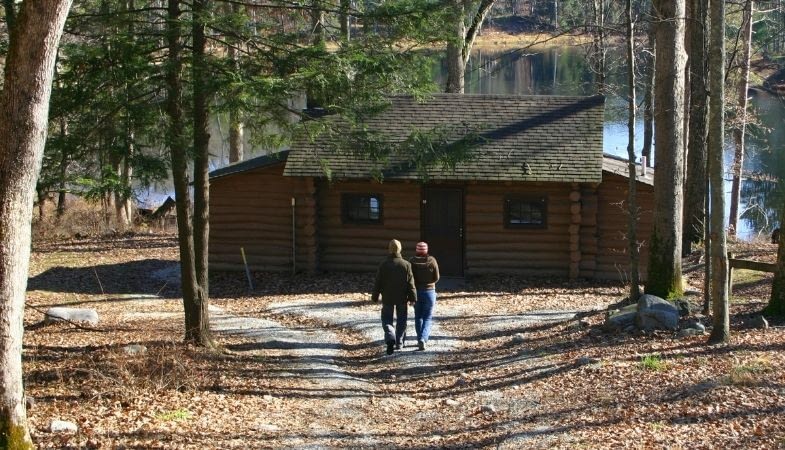
      But one of the most riveting developments in the Canadian real estate market since the beginning of the coronavirus pandemic has been the substantial price increases for cottage properties. While cottage country markets across the country have typically witnessed high demand during the summer months, evolving consumer trends are pointing to sustained interest throughout the year in rural communities.

      Since more people are working from home, professionals are setting their sights on lakefront cottages, chalets in the mountains or cabins in the woods, away from the hustle and bustle of major urban centres. But as homeowners cash in on their big-city properties, they are using their high equity to outbid buyers (including local residents and their fellow out-of-town buyers) and driving up cottage prices in the process. Many forecasts suggest that this impressive growth will continue through 2021 and potentially heading into 2022.

      Has the Canadian real estate market been permanently altered as more households shy away from hyper-dense metropolitan areas to embrace the charm of quiet small-town life? The answer might be reflected in the numbers across multiple recreational housing markets from coast to coast.

      Prices for Cottage Properties in Canadian Real Estate Market Soar

      If you are currently trying rent a cottage in rural Ontario, you may be out of luck as the vast majority are fully booked for the rest of 2021. Similarly, if you’re keen to buy a cottage in Atlantic Canada, be prepared to put up a fight thanks to swelling levels of demand as a result of out-of-province buyers and cheap borrowing costs.

      Here are some of the figures of what homebuyers can expect to face as they seek shelter in Canada’s recreational property markets:

      Kawartha Lakes, Ontario (March 2021 / year-over-year)

      • Residential non-waterfront sales: +87.7%
      • Residential waterfront sales: +223.1%
      • Median price for residential non-waterfront properties: +44.7% to $606,000
      • Median price for residential waterfront properties: +64.5% to $872,000

      Georgian Bay, Ontario (March 2021 / yoy)

      • Residential sales: +106.1%
      • Benchmark price for single-family homes: +43.6% to $617,900

      Sunshine Coast, British Columbia (December 2020 / yoy)

      • Residential sales: +82%
      • Median price of residential properties: +7.8% to $830,000

      Prince Albert, Saskatchewan (March 2021 / yoy)

      • Residential sales: +79.2%
      • MLS® Home Price Index (HPI): +12.1% to $183,100

      Prince Edward Island (March 2021 / yoy)

      • Residential sales: +81.7%
      • Average price of homes sold: +21.9% to $330,121

      Lethbridge, Alberta (March 2021 / yoy)

      • Single-detached home sales: +59.6%
      • Median sale price for single-detached homes: +14% to $335,000

      What to Expect for Cottage Real Estate Moving Forward?

      Whether you desire to go fishing on a lake or sip coffee on the patio of your waterfront property, be prepared to open your wallet wide. Cottage country prices are still expected to increase, especially now that the busy spring and summer home-buying season has arrived. This historically active period is anticipated to be busier than ever before. At the very least, prices are expected to continue rising.

      Like Toronto or Vancouver, cottage areas are experiencing low inventory. A dramatic supply imbalance is leading to bidding wars for active and new listings. While this was unheard-of just a few short years ago, it has become the norm in many recreational communities across Canada. Work-from-home arrangements, the demand for less-densified areas and larger living spaces paired with ultra low interest rates are the key drivers of this unprecedented growth within destinations that would be difficult to spot on a map.

      As the Financial Post wrote in February, “Cottage country is the new battleground for housing bidding wars.” Although cottage country housing will still appeal to city slickers following the COVID-19 pandemic, the market could eventually normalize, write Murtaza Haider, a Ryerson University professor, and Stephen Moranis a real estate industry veteran.

      “Once more housing is made available by prospective sellers, who have been patiently watching the markets from the sidelines, cottage country markets are likely to return to calmer conditions to match the serene and tranquil environments that distinguish them,” they said.

      Until then, cottage country is no longer just the focus of retirees searching for the quiet life in their golden years, or families seeking fun in the summer sun. Young professional couples who only need a reliable Internet connection to work are expected to become a key driver of the cottage country housing market for the foreseeable future, whether in the Sunshine Coast or Atlantic Canada.


      Courtesy of REMAX.ca

      5 Landscaping Trends That Are on the Rise

      Our gaze naturally turns toward the outdoors and our yards as the weather begins to warm and buds burst open. Design ideas sprout up on all the great ways we can enhance our fresh-air experiences during this upcoming patio season. These five landscaping trends push the boundaries on how we see our outdoor living spaces, so prepare to be inspired.

      Image Alt Text

      Think Smart, Think Small

      Having limited outdoor space is nothing new; especially for city dwellers. How that space is used is pushing the envelope. Multitasking is king when it comes to planning which features to add and where to plant what within limited square footage. For example, a water feature can be integrated into the irrigation system, doubling the function of a single feature.

      Analyze the systems and features you can work with in your garden. It will take some consideration and planning to get the most out of your limited space, but it will pay off immensely in the end.

      Image Alt Text

      Every Season Turns

      Think “four seasons” when planning your garden. Differentiating textures and bright conifer foliage will look lovely in the springtime, but also brightens up the garden during the winter months. Deciduous shrubs, trees with peeling bark, and evergreens that change colour can help you maximize your garden all year-round.

      Choosing the right plants that can withstand Canada’s shifting seasons will be a challenge, so consult a garden expert before investing.

      Image Alt Text

      Feeling Fenced In

      Fencing is the most common method of enclosing a yard, however creative alternatives to posts and planks are popping up. Consider planting a screening foliage, such as bamboo, between the sidewalk curb and your lawn to offer some privacy. Also, look at incorporating lacy-leaved trees such as dogwoods or Japanese maple — they’re big enough to create a border but won’t overwhelm.

      Thinking outside the box to create the feeling of a protected area is what this landscaping trend is about. The drawback to these pretty, yet permeable, barriers is they do little to secure a pet or protect against trespassers.

      Image Alt Text

      Get Crafty

      Part of the “maker movement,” this landscaping trend moves away from mass-produced products, and returns to roots of authentic craftsmanship. Whether it’s a stone bench or a pergola, finding a professional artisan to handcraft your next garden element is definitely a trend. This trend is about quality craftsmanship that stands the test of time. This quality craftsmanship does come at a premium, but hiring local artisans is a wonderful way to support the local economy.

      Image Alt Text

      Go Forth

      Imagine being able to eat dinner in your own backyard and under the stars. Alfresco dining is so popular these days that having a designated dining area, complete with an outdoor cooking area, has become a top landscaping trend. Different this year is the location of this open-air eating area — it’s no longer close to the kitchen but further afield. Creating a unique space at the back of the yard, far from the lights and bustle of the house is on-trend.

      From backyard dining to living walls, each one of these landscaping trends can add value to your home and boost curb appeal. Now that you’re armed with the knowledge of what’s trending in the landscaping world, which one will you dig into this spring?


      Courtesy of HGTV.ca

      Toronto and GTA Rental Real Estate Market in 2021

      For years, it’s been a tough battle for renters living in Toronto and the surrounding municipalities. Rents have only been on an upward trajectory as supply was limited and demand was through the roof. But after a year of the COVID-19 public health crisis, Toronto and GTA rental real estate is now a renter’s market.

      The turning point was last spring, when the coronavirus pandemic crippled the nation and forced governments to institute a plethora of new rules and regulations. One of the first items on the chopping block? The short-term rental market, affecting condo investors who relied on Airbnb and other short-term rental arrangements. The other factor was immigration restrictions, which have led to seismic drops in the rental market.

      After a year of the COVID-19 public health crisis, Toronto and GTA rental real estate looks very different. Tenants have negotiating power and more options, which was unheard of before the housing boom in North America’s fourth-largest city. At the same time, condo owners are either selling their units or renting their apartments below the cost of their mortgage, resulting in both “seller’s fatigue” and “handcuffed sellers.”

      A wide range of reports estimate that the monthly rent of a one-bedroom apartment in Toronto has fallen as much as 23 per cent year-over-year, with prices coming down as low as $1,500 in some of the most appealing locations in the city. Although this is still relatively high compared to the rest of the Canadian real estate market, it is a welcomed relief for renters who have been paying sky-high prices for the privilege of residing in a red-hot urban centre.

      Right now, is it even worth it to buy a property when rent is at a multi-year low?

      According to Canada Mortgage and Housing Corporation (CMHC), households are paying large premiums to own instead of rent. The crown corporation suggested that condo owners are paying 86 per cent more to own than rent in a purpose-built building. This is the highest premium paid in any housing market of the country, including Vancouver (56 per cent) and Victoria (13 per cent).

      This begs the question: will the Toronto and GTA rental market return to pre-pandemic conditions in 2021?

      Toronto and GTA Rental Real Estate Market in 2021

      When it comes to the COVID-19 pandemic, there is light at the end of the tunnel in Ontario. New cases seem to be declining, more people are getting vaccinated, and the economy is starting to reopen. Even if a third wave strikes amid South African and British variants, the province and many of its sectors have shown their resilience to adapt, survive, and thrive.

      Once the Greater Toronto Area returns to some semblance of pre-pandemic life, which officials are optimistic could happen in the third quarter of 2021, the rental real estate market could be one of the first beneficiaries. From restrictions being lifted at the Canadian border and students returning to the classroom, to the short-term rental market being given the green light again, the Toronto and GTA rental real estate industry could rebound.

      PricewaterhouseCoopers recently released a report on the outlook for Canada’s housing sector. The multinational professional services network of firms predicts that the rental market will see benefits from a slowdown in home ownership and a backlog of immigrants. At the same time, it warned about the end of government income support and wage subsidy programs that could hurt tenants’ ability to pay their rent. The organization also said that more university students are likely to enrol in virtual classes instead of in-person learning, which would impact short-term rental activity.

      The Toronto Regional Real Estate Board (TRREB) also anticipates a surging GTA real estate market, amid a strengthening economy and widespread vaccinations.

      “The pandemic certainly resulted in an unprecedented year for real estate in 2020, but it hasn’t put a damper on the overall demand,” said Jason Mercer, TRREB Chief Market Analyst, in a statement. “Looking ahead, a strengthening economy and renewed GTA population growth following widespread vaccinations will support the continued demand for both ownership and rental housing. But over the long run, the supply of listings will remain an issue, particularly in low-rise segments.”

      Put simply, the future largely depends on the vaccine rollout, the coronavirus variants, and the economic rebound.

      Transformation of Toronto Rental Spaces?

      Perhaps this is an opportunity to reimagine the rental market in Toronto and the rest of Canada’s housing market. With more people working and studying remotely, our homes have become multifunctional spaces to accommodate learning, exercising, entertainment and more. And as a result of this, our need for space has been redefined. PwC called this the “amenitization of communities,” whereby multi-purpose buildings allow new features to accommodate the new normal, such as videoconferencing rooms, dedicated areas for grocery delivery, and perhaps even additional green space.

      Once the rental market returns to growth, developers might need to think about how to redesign apartment living for future generations, perhaps inspiring a new wave of rental demand.


      Courtesy of REMAX.ca

      3 Home Maintenance Mistakes to Avoid When Selling Your House

      With all of the houses for sale in the Greater Toronto Area, making your home stand out from the rest of the competition can be tricky. It can be even harder to sell your house if you’re not keeping up with the maintenance necessary to make your home look appealing.

      Are you interested in learning about the common home maintenance mistakes that most sellers are making? We’ve created this quick guide to help you better understand what mistakes you may need to correct. Keep reading to learn more!

      1. Not Changing The HVAC Filter

      You may not be aware that you need to change your HVAC filter on a regular schedule. More often than not, most of us end up forgetting to change our filter. This simple oversight can end up costing you when it comes time for you to sell your home. The longer you go in between changing your filter, the more stress it puts on your HVAC system. As an end result, it means that there’s going to be more dust and debris collecting in your ducts, vents, and even your home.

      It’s even more important to change your HVAC filter consistently if you have pets. You can easily avoid this problem by setting a reminder on a calendar or electronic device to change your filter.

      2. Trying to Make Cosmetic Changes to Water Damage

      Have you tried to cover up water damage with paint or another type of cosmetic upgrade? While it’s often suggested that you paint your interior to keep it updated and fresh, as well as to make it more appealing to new buyers, this isn’t an effective or recommended way to care for water damage.

      Ensuring that you have your water damage properly remediated is essential for when it comes time to list your property for sale and when having the home looked at by a professional inspector. Sometimes, masking the appearance of water damage can end up accelerating the damage. For example, if you’re painting over water damaged wood that’s rotting, the extra layer of paint can cause the wood to rot faster.

      3. Not Cleaning Your Gutters

      Just as you should consistently change all your HVAC filters, you should also be consistently cleaning out your gutters. Your gutters are there to prevent your roof from leaking, which can be easily overlooked every season.

      You can clean out your gutters without having to hire a professional’s help by safely using a ladder to access your gutters. Clean out any debris that’s clogging them to make the exterior of your home better maintained.

      Professionals recommend that you clean your gutters at least twice a year. However, if you live in an area that has a lot of trees, you should consider cleaning out your gutters once a season to remove the leaves and debris that can build up.

      Avoid These Home Maintenance Mistakes

      Before you put your home on the market, you should pay attention to your house and give it a little TLC. By avoiding these common home maintenance mistakes, you’ll ensure your home is more appealing to potential buyers.

      Are you interested in hiring the help of a professional real estate agent to sell your home? Click here to contact us today to learn how we can help you.

      Buying and Selling: Can I Close a Home Remotely?

      The past few months have been a whirlwind of emotions for many people. As we all wrap our minds around the current situation, there’s no doubt that coronavirus has dramatically affected the way we live and how our society operates. There is no clear answer on when things will be back to normal, but the real estate market persists.

      While real estate continues to be an essential service, homebuyers and sellers will be required to evolve the standard process to protect against spread of the virus. The short answer is, yes, you can use remote closing to complete your home sale. In fact, over the last decade digital home closing has been a trend, but in this environment more people will be leaning on it than ever before.

      Typical process to close a home

      Home closing consists of a lot of moving parts that will require a little bit of creativity to adjust to the current social distancing measures. The good news is that the government supports real estate activity and the sector boosts the economy. As a result, lenders, lawyers and real estate agents are still very much in business.

      So, don’t fret! As the closing date approaches for both buyers and sellers, there are ways that you can seamlessly close the sale of the home using the power of technology and other hybrid strategies.

      Homebuyers and Sellers

      1. Obtain a home inspection

      Normally a home inspection is necessary during the home closing process. The inspector, along with the buyers, would complete this together in-person. However, with social distancing measures you will need to determine other ways to get the home inspection checked off your list.

      If sellers agree to have an inspector visit their home, new protocols seem to be that inspectors arrive alone and wear protective equipment such as a hazmat suit and respirator when inside the home. After the inspection is complete, they share their findings with the buyer using digital technology such as video conferencing.

      READ: Open For Business: Canadian Real Estate and the “New Normal”

      Alternatively, homebuyers can choose to forgo the home inspection part of the closing if they don’t want to take these other steps. However, this can be risky, since inspections can turn up large repairs or other structural challenges in the home which buyers will likely want to know about prior to closing.

      1. Final walkthrough of the new home

      Having the final walkthrough of a new home is important to ensure everything is in order and in the same condition as when the homebuyer signed the offer. In the midst of coronavirus distancing measures, there are other ways for buyers to have a final walk-through of their new home.

      Buyers can ask sellers to leave the key to the property in a safe place (lockbox). If you’re a homebuyer, you can enter the home privately to complete the final walkthrough prior to taking possession. Wear a mask and gloves to reduce risk to both yourself and the sellers.

      Alternatively, if you would rather not attend the walk-through and your real estate agent is comfortable, they can do this independently and virtually walk you through the home. With the aid of 360-degree video technologies, you’ll be able to see exactly what the home looks like in real time.

      1. Title Review and Title Insurance

      Your lawyer will review the “title” (deed) to the home, which is the transfer of ownership between the seller and buyer. They will start the title search process to see if there are any obstacles that could stop the sale of the home. These can include zoning issues or outstanding mortgage payments by the former owners.

      It’s also your lawyer’s responsibility to set up your title insurance. This protects you from any ownership challenges, including if the initial title review missed something.

      Speak to your lender and lawyer to see if the title review and title insurance can be done to their compliance standards with digital signatures.

      1. Exchange of funds

      It’s critical that all parties receive the payments they’re owed during the closing process. Typically, real estate lawyers would have cheques couriered with the homebuyer’s mortgage funds and down payment. However, now they are leaning on transferring funds digitally, with their accounts set up to accommodate bill payment and e-transfers.

      This allows for a seamless exchange of funds between the two parties. The homebuyer can digitally transfer the funds to their lawyer and then their lawyer can digitally transfer funds to the seller on the closing date.

      1. Getting the keys

      One of the best parts of closing your home is finally getting the keys! Similarly, the hand-off of the keys can be challenging since people want to maintain physical distancing. As a result, sellers may use a lockbox to leave the keys for the buyer on the property. This ensures it is a secure exchange for both parties, while reducing unnecessary risk.

      Buying or selling a home in these conditions may involve taking a different approach. Yet, there are ways to close the sale of your home during this time. Discuss how you can make adjustments to typical processes with your real estate agent, lawyer, lender, and, home inspector.


      Courtesy of REMAX.ca

      What is the Future of Canadian Real Estate?

      It seems difficult to forecast the future of the Canadian real estate market during this time. Many of us have questions about when social distancing measures will be loosened, and life will return to normal.

      Earlier this year the market was sizzling and in most major cities, such as Toronto and Vancouver, it was a sellers’ market. Right up until early March it was projected to be a busy Spring homebuying season. Yet, things have cooled down significantly as a result of the covid-19 pandemic lockdown.

      Many people are not sure what the future of the Canadian housing market holds. This uncertainty has caused the market to dry up. Yet, many are predicting that this is a momentary sting to our economy and housing market.

      Here are a few indicators of what we may be able to expect in the coming months and years:

      Real Estate Market Activity in the Short-term

      The Toronto Regional Real Estate Board (TRREB) is projecting that as social distancing measures loosen, real estate market activity will quickly ramp up again. This is expected to happen near the end of Summer and likely early Fall. The organization believes that the economy will recover, as business operations go back to normal and unemployment rates decrease.

      Homebuyers will have more financial power and will be more inclined to start their home search again. While, sellers will feel more comfortable allowing people to visit their homes for open houses.

      For now, some economists are predicting that property values will fall temporarily, and lower home prices will be on the table due to tight market conditions. Sellers will be forced to negotiate on price opening the door for buyers who have job security and financing to swoop in.

      Relief measures

      The Canadian government has stepped in during this time to bolster the economy and aid to Canadians across the country. They’ve created financial relief measures to help soften the impact of the coronavirus on our economy. These benefits have been put in place to reduce household debt as people navigate this challenging time.

      The Canadian government has also created specific measures for businesses. As a result of social distancing, many businesses have taken revenue hits or have had to close their doors for the unforeseeable future. Yet, financial benefits will allow more businesses to keep people employed and provide job security. This could encourage more Canadians to continue to engage with the real estate market

      However, it’s unclear how much these financial relief measures will entice Canadians to enter the market and to what degree they will.

      Interest rates

      The mortgage stress test along with high-interest rates have made it challenging for many homebuyers to qualify for a mortgage. This is especially the case for first-time homebuyers who typically don’t have as much money available for a down payment. The good news is that the stress caused by these obstacles may be eased by recent interest rate interventions.

      In the short-term the Bank of Canada has significantly lowered the benchmark interest rate to 0.25% to help boost the economy and keep inflation stable. This is the lowest the rate has ever been. For those who want to jump at the opportunity and take advantage of low interest rates, they can qualify for more affordable mortgage payments. This can also allow them to borrow a larger amount, which could help to finance a home with more square footage include features they desire.

      For first-time homebuyers who don’t have cash tied up in stocks or other investments and have enough money for a down payment this can be an ideal time to make a purchase. Other key considerations include having job security to ensure they’ll be able to make their mortgage payments even a few months from now.

      As the coronavirus situation unfolds, it is hard to say how much lowered interest rates will entice people to purchase homes.

      Real Estate Market Activity in the Long-term

      Data from Google trends  during the recession in 2008-2009 caused by the housing crisis, show that the search volume for homes for sale in the US and Canada continued to increase through these years into 2010/11. This trend provides evidence that following the economic downturn, the market recovered at a relatively fast rate.

      This can be promising data that can put people at ease that after the coronavirus pandemic, our economy is likely to rebound. Employment rates will increase since businesses will be able to operate fully again. As a result, household debt will decline because people will be able to afford to pay their bills.

      The demand for homes will grow and we will likely see a lot of pent up demand from the time of social distancing that will push people back into the market. This will especially be true in markets where there has already been a lot of interest, such as Vancouver and Toronto. Coupled with the low inventory we saw before this issue occurred; competition in the market will cause housing prices to be on the rise again.

      You may be concerned about the direction the Canadian real estate market may take in the future. However, with government intervention the impact of the coronavirus may not hurt the economy as bad as we think. It’s also important to note that previous recessions have shown us we’ve made strong recoveries. The real estate market has been hot the past few years. Once the coronavirus pandemic is under control, we will likely see the market heat up once again.


      Courtesy of REMAX.ca

      Menu